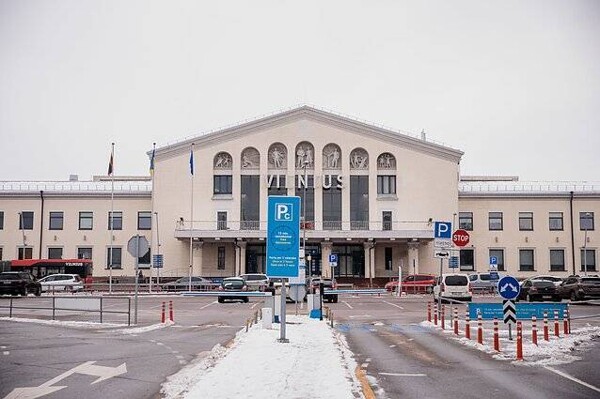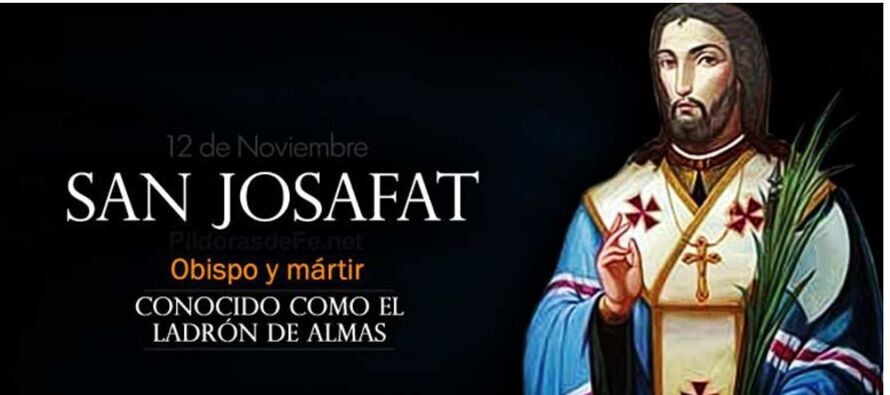
A chancellor of Lithuania, Léon Sapieha, listened to the rumors spread by dissidents who accused Saint Josaphat of being the cause of political disorder. His father placed him in a Catholic school from a young age. Later, Josaphat began working as an apprentice in a shop in Vilnius, where he spent his free time learning Church Slavonic.
After entering a monastery in Vilnius, Josaphat gained fame for his sermons on the union with Rome. He sought help from some of his brothers, gathered synods in the main cities, published a catechism, and fought against interference in the affairs of local churches.
As he restored order in the eparchy and repopulated the monastery, Josaphat faced opposition and criticism. He was accused of "converting to Latinism" and of forcing his followers to do the same. However, his zeal in instruction, preaching, and charitable work was recognized.
Josaphat was declared bishop of Vitebsk and consecrated in 1617. Despite facing difficulties and violent controversies, he continued to preach and visit the faithful without distinction. He fought for unity and reform in the Ruthenian monasteries.
Despite threats and political turmoil, Josaphat pressed on with his pastoral work, putting his life at risk. He was a passionate defender of the unity of the Church and the supremacy of the Roman Pontiff. Finally, in October 1623, he was murdered in Vitebsk for opposing the opposition to the Catholic Church. His example and exhortations positively influenced many during his life and after his death.